A guided Kenya photography workshop with a named pro leading the trip is not the same purchase as a normal safari. You are paying for a specific driver-guide combination, a small group cap, and someone who knows exactly where the light falls on the Mara River at 6:40am. That expertise costs real money. This guide breaks down what workshops actually charge, what a self-planned trip costs instead, and which choice fits your skill level and budget.
What a Guided Kenya Photography Workshop Actually Costs
Specialist operators run Kenya photography trips in 2026. Muench Workshops, Action Photo Tours, and Chris Byrne Photography price their land packages between roughly $5,700 and $9,750 per person, based on a 10 to 12 night itinerary. That figure is an indicative range pulled from published 2026 trip pages, not a fixed quote. It typically covers land costs only.
International flights to Jomo Kenyatta International Airport (JKIA) in Nairobi are almost always separate. So are gratuities for guides and camp staff, travel insurance, and any personal gear you buy before departure. Group sizes on these trips usually run 6 to 10 photographers per workshop. That splits across two or three vehicles, so everyone gets a window seat and room for a beanbag rest.
What’s Included in Workshop Pricing (and What Isn’t)
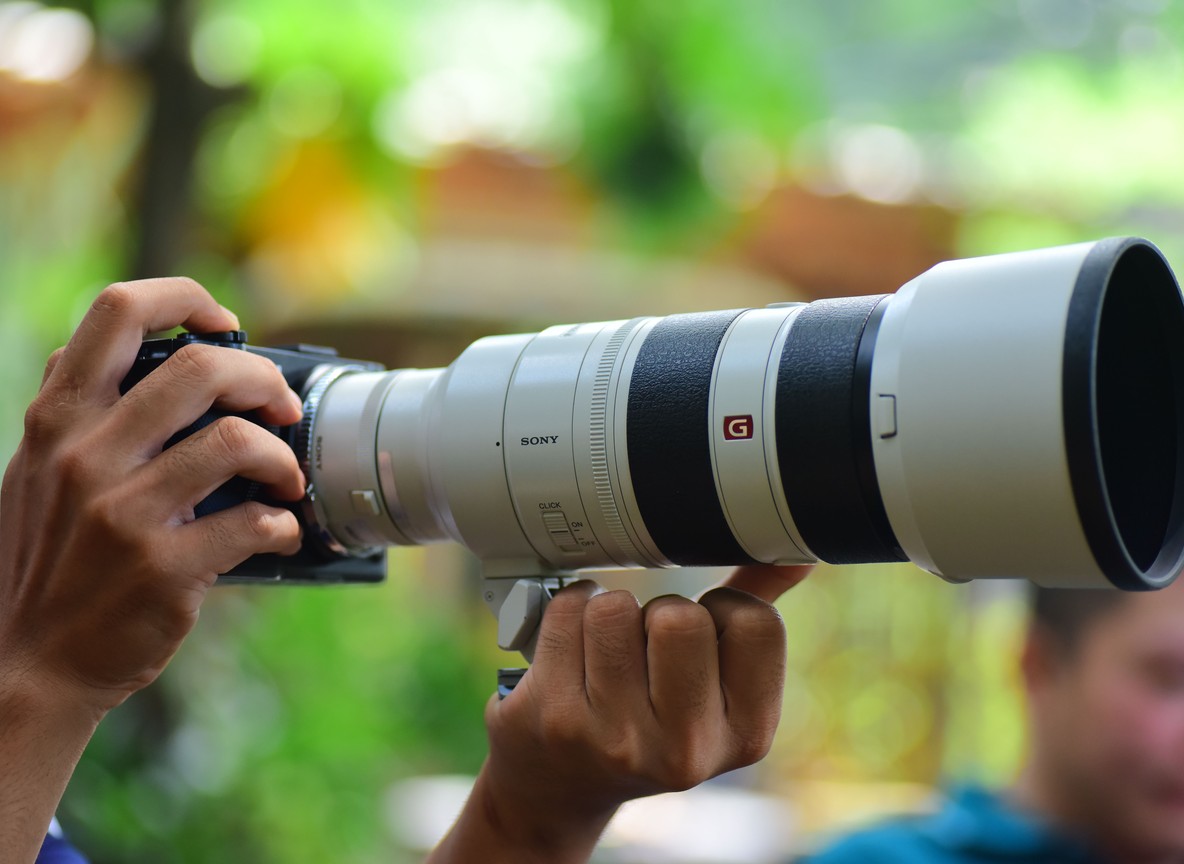
The premium buys you a package built around image-making, not just game viewing. Most guided workshops include a named lead photographer as trip host. You also get dedicated photography vehicles with beanbags or gimbal mounts instead of standard safari seating, plus camps chosen for their light and animal density rather than general comfort.
Pre-trip briefings on settings and composition are standard too, plus in-field coaching while you shoot. Some workshops add evening image review sessions. What is usually excluded: camera gear itself, a second lens body as backup, and laptop or hard drive storage for backing up files. Kenya’s e-Visa fee (around $30-$51 depending on entry type) is also separate, paid online in advance.
Planning Your Own Photography Safari: The Real Cost Breakdown
A self-planned trip strips out the workshop host fee and the fixed group structure. You still pay for the same camps, vehicles, and park fees, though. Mid-range photography-friendly camps in the Mara and Amboseli ecosystems run roughly $400 to $700 per person per night, all-inclusive of meals and game drives. That is an indicative range that varies by season and camp category.
For an 8 to 10 night trip, that lands around $3,200 to $7,000 in accommodation alone. Add a private driver-guide if you are not self-driving, indicatively $150 to $250 per day, plus park and conservancy fees. You lose the specialist photo coaching and the pre-scouted vehicle setup, but you gain full control over pace, route, and which camps you pick.
Guided vs DIY: Side-by-Side Cost Comparison
| Factor | Guided Workshop | Planning Your Own (DIY) |
|---|---|---|
| Typical land cost (10-12 nights) | $5,700 – $9,750 per person (indicative) | $3,200 – $7,000+ accommodation, plus guide fees (indicative) |
| Group size | 6-10 photographers, 2-3 vehicles | Solo, couple, or private group |
| Vehicle setup | Photo-modified, beanbags/gimbal mounts | Standard safari vehicle unless requested |
| Photo coaching | Included, named lead photographer | None, unless you hire a specialist guide separately |
| Route flexibility | Fixed itinerary set by operator | Fully flexible, camp and pace of your choosing |
| International flights | Not included | Not included |
| Kenya e-Visa | Not included (~$30-$51) | Not included (~$30-$51) |
| Best for | First-timers wanting technique guidance | Experienced photographers who know their gear |
Where the Guided Price Premium Actually Buys You Something
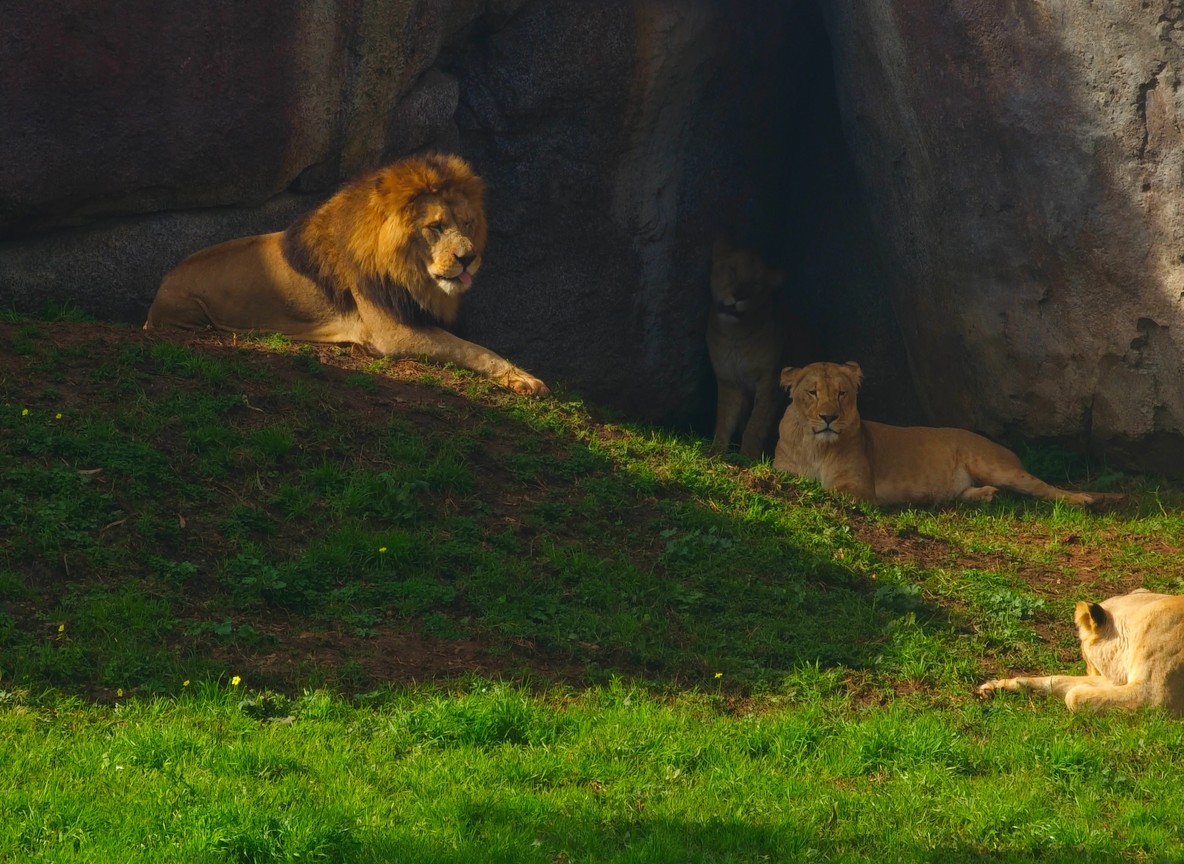
The single biggest value in a workshop is vehicle positioning. A lead photographer who has shot the Mara Triangle or the Amboseli swamps for years knows which side of a sighting gets clean light. They also know which angle avoids a distracting vehicle in the background. That knowledge is nearly impossible to buy on a one-off private safari, unless you specifically request a guide with a photography specialty. Few general safari drivers carry that training.
Workshops also handle logistics most first-time photography travelers underestimate. That means coordinating with camps so the group gets first access to a sighting, and managing shared beanbag and gimbal equipment. Structured field reviews help you improve between game drives instead of just shooting on instinct.
When DIY Makes More Sense
If you already know your camera settings cold and mainly want maximum flexibility, a self-planned trip often serves you better. You can chase a specific sighting for an extra hour instead of sticking to a group schedule. Conservancies like Naboisho or Ol Kinyei become options too, prized for lower vehicle density, and you can skip camps the workshop operator picked for group logistics rather than your personal priorities.
Couples or solo travelers on a tighter budget also come out ahead with DIY. You are not subsidizing a full workshop host fee and a fixed departure date. The tradeoff is that you plan every leg yourself, from airstrip transfers to which gate you enter through. You also carry the research burden a workshop operator otherwise absorbs.
A middle path worth considering: book a normal safari through a specialist operator, then add a private guide with photography experience for just the Mara or Amboseli leg. This costs less than a full workshop, while still giving you someone who knows the light and the animal movement patterns. You do lose the group critique sessions and shared equipment that come standard on a dedicated workshop.
Choosing Camps and Conservancies for Photography Either Way
Whichever route you take, the destination matters more than the operator label. The table below lays out real distances, fees, and sizes for the ecosystems both workshop operators and independent photographers favor most.
| Destination | Park/Reserve Size | Non-Resident Entry Fee | Drive from Nairobi | Flight from Wilson Airport |
|---|---|---|---|---|
| Masai Mara National Reserve | 1,510 km² | ~$100 per 24 hrs (indicative, peak season) | ~270 km, 5-6 hrs via Narok | ~45 min to Musiara or Ol Kiombo airstrip |
| Amboseli National Park | 392 km² | ~$60-$100 per 24 hrs (indicative, season-dependent) | ~240 km, 4 hrs via Namanga road | ~35-40 min to Amboseli Airport |
| Naboisho Conservancy | ~200 km² | ~$70-$100 per night conservancy fee (indicative) | Accessed via Mara airstrips or Sekenani Gate | Same as Mara airstrips above |
| Ol Kinyei Conservancy | ~74 km² | ~$70-$100 per night conservancy fee (indicative) | Accessed via Mara airstrips | Same as Mara airstrips above |
Camps built around photography cap vehicle numbers at sightings. This includes camps in the Mara conservancies and along the Amboseli swamps under Kilimanjaro’s shadow. Many also allow off-road driving that the main national reserves restrict. That single rule difference, off-road access versus staying on track, changes what shots are even possible.
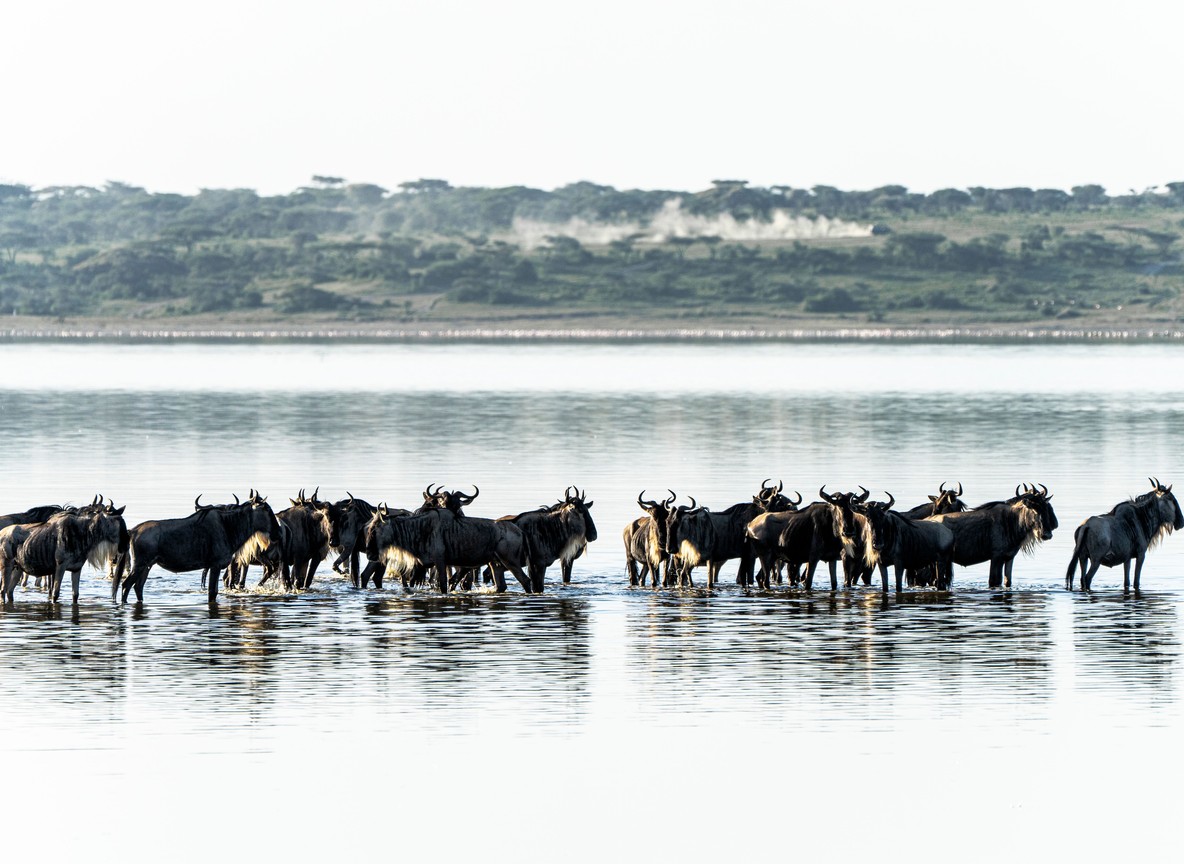
Explorer Notes
A few field details that don’t show up in most workshop marketing pages. Beanbags beat tripods in a safari vehicle almost every time, since tripods rarely have room to open fully and vibrate with engine idle anyway. Pack a rain sleeve for your lens even in the dry season, since dust at Amboseli’s dried lakebed is just as damaging to gear as rain.
If you’re joining a guided workshop, ask upfront how many photographers share each vehicle. Four people per row means you’ll wait your turn for the best window during a sighting. Three or fewer keeps everyone shooting at once. Going the DIY route into a conservancy like Naboisho? Confirm off-road driving privileges directly with your camp before booking. Not every property enrolled in the conservancy offers it to every room category.
Frequently Asked Questions
Is a guided photography workshop worth the extra cost over a normal safari? It depends on your experience level. Beginners and intermediate shooters usually get real value from the coaching and vehicle positioning. Experienced photographers who already know their gear often find the premium buys mostly convenience.
Can I bring a beginner or non-photographer partner on a photography workshop? Some operators allow non-shooting companions at a reduced rate, but policies vary by trip. Confirm directly with the operator before booking, since vehicle seating is built around photographers first.
Do I need a specific lens for a Kenya photography safari? A 100-400mm or 150-600mm zoom covers most wildlife scenarios. Workshops sometimes offer loaner long lenses for an additional fee, which is worth asking about if you don’t already own one.
How far in advance should I book a guided workshop? Popular workshops with named lead photographers often sell out 9 to 12 months ahead, especially for peak wildebeest migration season dates in the Masai Mara.
Is the Masai Mara or Amboseli better for photography? The Mara offers the widest range of predator action and, in season, river crossings. Amboseli offers close elephant herds against a Kilimanjaro backdrop that’s hard to replicate elsewhere. Many photographers combine both in one trip.
What to Read Next
- Camera Settings for Kenya Safari Photography: A Field Guide
- Do You Need a Permit to Photograph Wildlife in Kenya? The Real Rules
- Photographic Hides Near the Masai Mara: Where to Shoot Eye-Level Wildlife Images
Working out whether a guided workshop or a self-planned trip fits your goals is easier with a second opinion on routing and camp choice. Touring Insights’ Tour Packages page lists vetted operators across both the Mara and Amboseli ecosystems if you want a starting point for quotes.
Further reading
More safari planning resources
- Map of Amboseli from Valley Safaris
- Amboseli National Park guide on Touring Insights
- Camera advice for your first safari, on FindMySafari
- Amboseli destination guide on FindMySafari
Related guides: Kenya Safari Trip Designer Explained: What They Do and Cost.